

From Tantrums to Tools
December 5, 2025
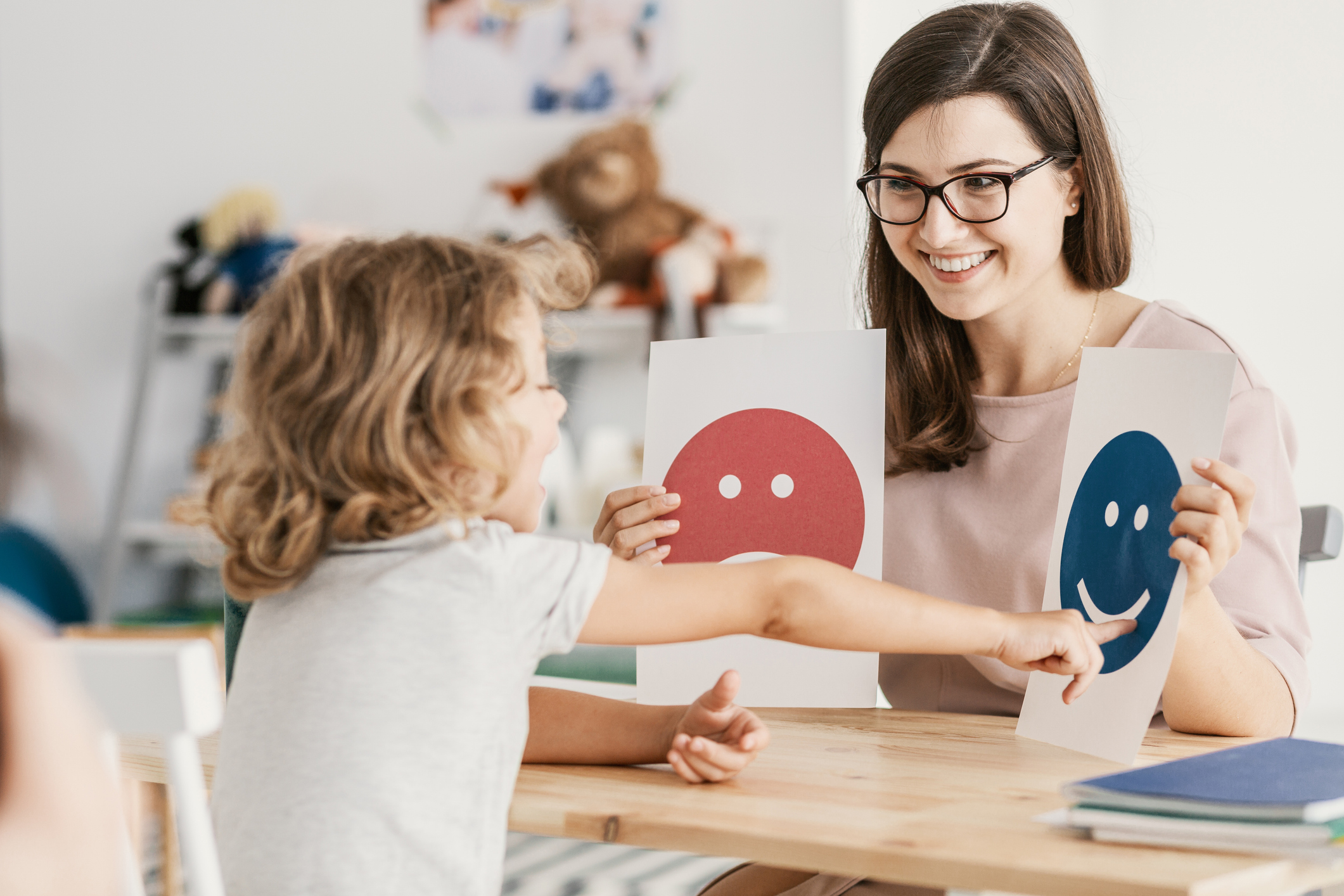
Big emotions are a normal part of early childhood. What often looks like a tantrum, meltdown, or refusal to cooperate is usually a child’s way of expressing feelings they do not yet have the words for. Emotional literacy—the ability to identify, understand, and communicate emotions—is a skill developed over time, not something children naturally know how to do. At Prescolaire Early Learning Academy, emotional development is an essential part of everyday learning. Through modeling, guided conversations, and intentional activities, our educators help children move from reacting impulsively to expressing themselves clearly. When children build emotional vocabulary, they gain tools that support healthier behavior, stronger relationships, and increased self-confidence.
Why Emotional Vocabulary Matters
Emotional vocabulary lays the foundation for lifelong emotional regulation. When children can name what they feel—frustrated, disappointed, excited, nervous, or confused—they are far better equipped to manage those feelings. Instead of hitting, crying, or shutting down, they learn to communicate their needs. Children with strong emotional vocabulary often show improved problem-solving skills, greater empathy for others, and a more secure sense of self. These skills contribute to both social success and academic engagement.
How We Teach Emotional Literacy in the Classroom
Helping children build emotional vocabulary requires consistency, patience, and exposure to a wide range of feelings. In a supportive learning environment, educators model and reinforce emotional language throughout the day. One of the most effective strategies is emotion labeling. When a child appears upset, teachers gently acknowledge what they observe and offer language to help them identify the feeling. Over time, children begin using these words independently. We also incorporate emotional learning into stories, group discussions, and reflective questions. By hearing feelings expressed in context, children understand that emotions are normal and manageable. Classroom visuals, such as feelings charts or expression cards, provide additional support. Guided problem-solving is another key method. When conflicts arise, educators encourage children to explain what they feel, why the situation is upsetting, and what solutions might help. This approach strengthens emotional vocabulary while teaching self-control, patience, and communication. Through repeated practice, children internalize emotional awareness and become more confident navigating everyday challenges.
Strategies Parents Can Use at Home
Emotional literacy grows fastest when children receive consistent support both at school and at home. Parents can reinforce these skills through simple habits and intentional conversations. Narrating emotions is a helpful place to start. Calmly acknowledging what a child is
feeling—such as “It looks like you’re frustrated because your tower fell”—helps them connect emotions to words and reduces confusion. Modeling emotional language is equally important. When adults describe their own feelings in healthy ways, children learn how to express themselves without acting out. Statements like “I’m feeling overwhelmed, so I’m going to take a deep breath” provide a powerful example. Reading books about emotions, using feelings charts, and encouraging children to identify characters’ emotions in stories also help build understanding. Finally, creating calm-down routines, such as breathing exercises, quiet spaces, or sensory tools, gives children practical strategies for managing big feelings.
From Tantrums to Communication
Tantrums do not disappear overnight, but as children learn to name and express their emotions, challenging behaviors decrease significantly. When children understand what they feel and how to communicate it, they gain a sense of control, confidence, and independence. Emotional literacy ultimately empowers children to navigate relationships, solve problems, and approach the world with resilience.
By joining Prescolaire Early Learning Academy, families can help children transform emotional outbursts into meaningful communication. With the right tools, children learn to move from frustration to understanding—and from confusion to connection.
RECENT POSTS
Back to School Tips: Making the Preschool Transition Smooth and Fun
Set your child up for a successful return to preschool with these simple and supportive strategies. Make the Return to
Read More

Preparing Your Child for Their First Day at a New School
Supporting Your Child’s Transition Starting at a new school can be both exciting and nerve-wracking for children. As
Read More
Creative Recycled Art Projects for Kids
Recycled art projects are a fantastic way to spark creativity in kids while teaching them about sustainability. Here are a few
Read More

Cool Summer Science Experiments for Kids
Summer Science Fun Summer break is the perfect time to turn your home into a mini laboratory, sparking curiosity and
Read More